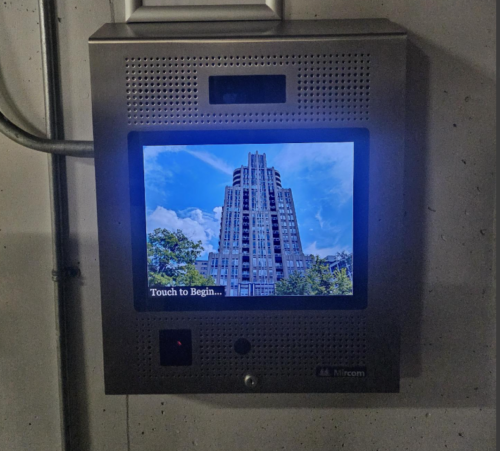

Coordinated nurse call and wander management for long-term care
Built around Ascom teleCARE IP and Securitas Healthcare WanderGuard – integrated into a single workflow for staff response and resident safety.
Designed for long-term care environments where staff mobility, response consistency, and resident safety need to work together.
The problem
In many care environments, nurse call, wander management, and monitoring systems operate separately.
Alerts are generated – but not always coordinated. Staff respond – but not always with clear ownership.
Over time, this leads to inconsistent response and reliance on workarounds.
The solution
We design and deploy integrated systems that combine:
- Ascom teleCARE IP nurse call
- Securitas Healthcare WanderGuard wander management
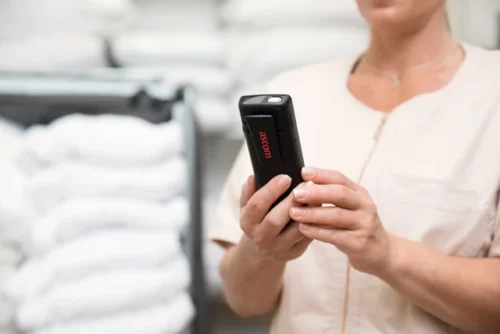
- Mobile staff communication devices (Ascom handsets / smartphones)
- Optional SmartSense monitoring for behaviour and pattern awareness
These systems are configured to operate as a single coordinated workflow, not separate tools.
What this provides
- Nurse call alerts routed directly to caregivers
- WanderGuard alerts (e.g. resident approaching secured doors) sent to staff mobile devices
- Alerts prioritized, assigned, and escalated if not acknowledged
- A single flow of communication across nurse call, wander management, and monitoring
- Discreet, targeted alerts that reduce overhead noise and alarm fatigue
- Centralized reporting to support audit readiness and care quality tracking
How it works in practice
- A resident presses a nurse call → alert routed to assigned caregiver
- A resident approaches a monitored exit (WanderGuard) → alert triggered and sent to staff devices
- Staff receive, acknowledge, and coordinate response in real time
- All activity is tracked within the system
Wander management in practice
Discreet monitoring and mobile alerting allow staff to respond early – without creating unnecessary noise or disruption across the unit.
When integrated, wander management becomes part of the nurse call workflow:
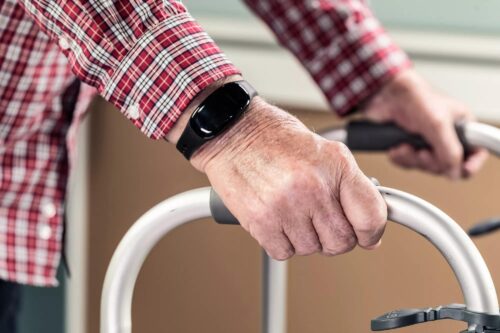
- A resident wearing a WanderGuard tag approaches a monitored exit
- The WanderGuard system detects movement within a defined protection zone
- An alert is triggered and routed through the nurse call platform
- The assigned caregiver receives a notification on their mobile device, including resident name and location
- Staff respond directly, without relying on overhead alarms
In some cases, doors can be automatically secured until staff arrive.
Why this works
At the center of this approach is Ascom teleCARE IP, which acts as the communication layer across the environment.
- Nurse call events originate through teleCARE IP
- Securitas Healthcare WanderGuard integrates into the same workflow
- SmartSense adds behavioural context and early awareness
- Alerts are delivered to staff through mobile devices with clear ownership
Wander management is not treated as a separate system. It operates within the same nurse call and communication platform, using the same devices and workflows staff already rely on.
This allows:
- Discreet monitoring using wearables and location-based triggers
- Early alerts when residents approach monitored exits or remain in high-risk areas
- Reduced reliance on loud or disruptive alarms that can increase agitation
Instead of separate systems generating noise, you have a coordinated system supporting response.
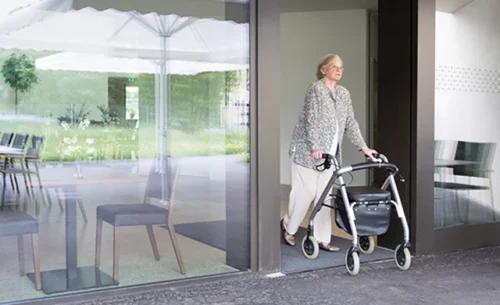
Where this is used
- Long-term care homes
- Assisted living environments
- Memory care units
- Multi-site care operators
Common questions
- Can this work with our existing nurse call system?
In many cases, yes. If you’re already using a modern Ascom system, WanderGuard can often be added without a full replacement. - Do staff need separate devices for wander alerts?
No. Alerts are delivered through the same devices used for nurse call and communication. - What happens if a resident approaches a monitored exit?
The system detects the resident and sends an alert directly to staff, identifying both the resident and the location. - Will this create more noise or disruption?
No. Alerts are typically delivered directly to staff devices rather than through loud overhead alarms. - Can this scale across multiple sites?
Yes. The system can be configured to support a single facility or multiple sites with centralized visibility.
Systems used in practice
The technology itself is intentionally simple. What matters is how it’s configured, connected, and used across the home.
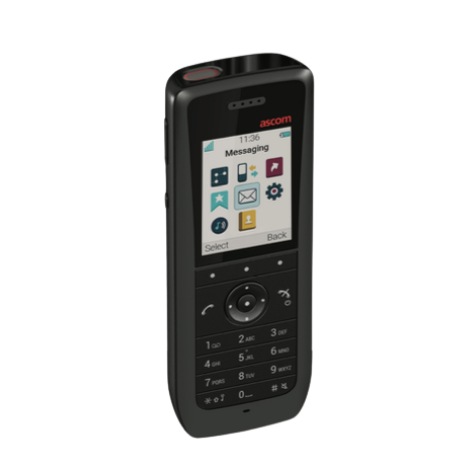
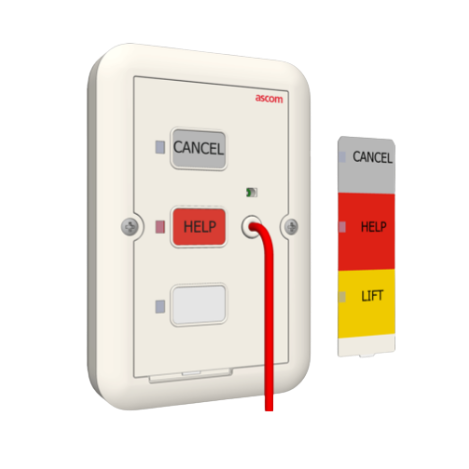
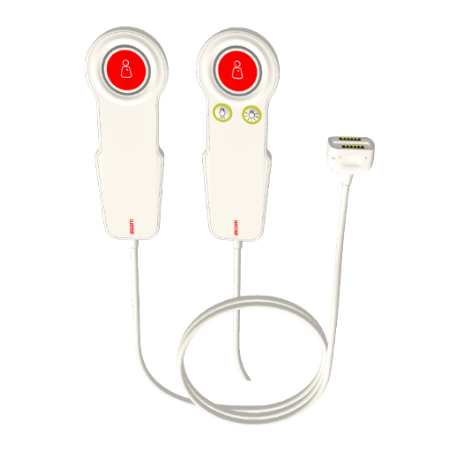
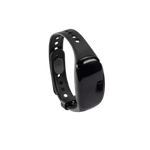
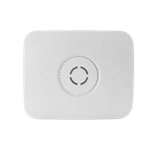
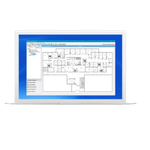
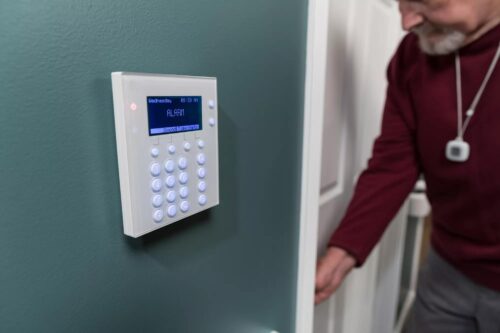
Typical components include resident devices, staff communication tools, and supporting systems that enable location-aware alerts and coordinated response.
Individually, these are all simple devices. Together, they create a coordinated system staff can rely on.
If it’s helpful
We can walk through your current setup with you.
We’ll look at:
- where response is slowing down
- where systems aren’t aligned
- and what a more coordinated approach could look like
No pressure – just a practical look at how things are working today.
Supporting insight and examples
→ Read the field briefing
How response breaks down in long-term care environments