Security for Equipment Yards and Open Sites in Atlantic Canada
Equipment yards and open sites face a different kind of security challenge than enclosed buildings. With wide-open access, visible inventory, and after-hours exposure, these locations are often attractive targets for theft, vandalism, and unauthorized access. For businesses in Atlantic Canada, the risks can be even greater because of remote locations, seasonal darkness, and changing weather conditions.
At QSA Life Safety and Security, we help businesses protect high-value assets with commercial security systems designed for the real conditions of the site. The right solution does more than record incidents. It helps prevent them, detect them early, and support a faster response when something happens.
Why equipment yards and open sites are easy targets
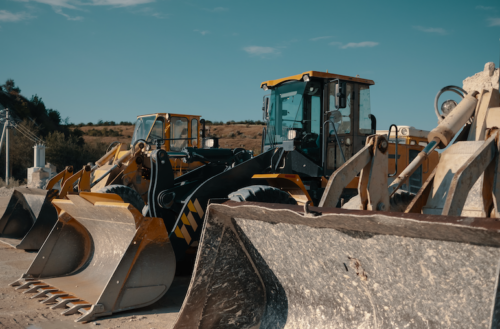
Equipment yards, industrial sites, construction sites, utility yards, and fleet storage areas all share one common issue: they are often difficult to fully secure. Unlike a building with controlled entrances, these sites can have long fence lines, multiple gates, open loading areas, and storage zones that are easy to approach.
That creates more opportunity for intruders to enter unnoticed. It also makes it harder for staff to track who is on site at any given time. In many cases, criminals are looking for tools, fuel, copper, heavy equipment parts, or anything that can be moved quickly and resold.
In Atlantic Canada, the challenge is often amplified by dark winter evenings, isolated properties, and severe weather that can make monitoring more difficult. That is why equipment yard security needs to be intentional, layered, and built around the actual site layout.
Common security risks at yards and job sites
The most common problems in open site security are theft, vandalism, trespassing, and unauthorized vehicle access. Missing equipment can delay projects, disrupt operations, and create unexpected replacement costs. Even when nothing is stolen, damage from tampering or break-ins can lead to downtime and insurance claims.
There is also a safety concern. An unsecured open site can put employees, contractors, and visitors at risk, especially if people enter areas where equipment is operating or where materials are stored. Security and life safety should work together, not separately.
From a business perspective, the true cost of an incident often goes beyond the stolen item itself. It can include lost time, interrupted operations, higher insurance exposure, and damage to a company’s reputation.
What a layered security strategy looks like
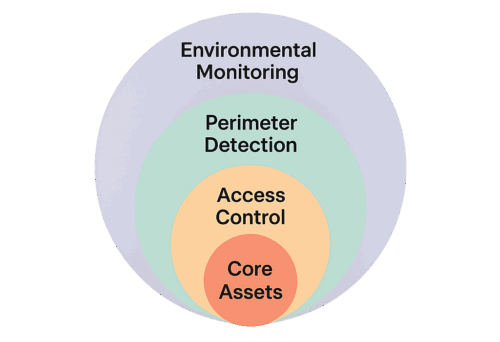
The most effective approach is a layered one. No single product can protect a large open site on its own. Instead, the best commercial security systems combine perimeter security, access control, cameras, lighting, alarms, and a response plan.
This approach creates multiple opportunities to stop an incident before it becomes a loss. If one layer is bypassed, the next layer is there to detect it or slow it down. For equipment yards and open sites, that is usually far more effective than relying on fencing alone.
A layered strategy also gives management more control. It helps improve visibility, creates accountability, and provides better evidence when an incident does occur.
Strengthening the perimeter
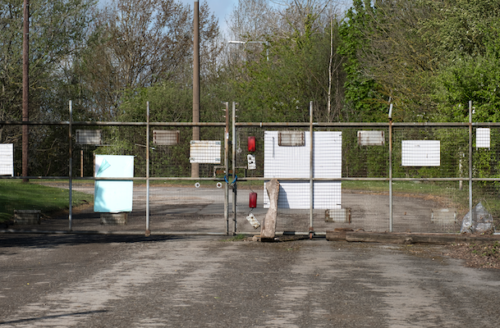
Perimeter security is the first line of defense. That includes fencing, gates, barriers, signage, and clear entry control. The goal is to make the site harder to enter and easier to monitor.
A strong perimeter should focus on the weak points, not just the obvious ones. Gate access, blind corners, loading entrances, and poorly lit sections often create the biggest risk. If the fence line is damaged or inconsistent, it can invite intrusion and make the site look like an easy target.
Well-designed perimeter protection helps reduce casual trespassing and makes unauthorized entry more difficult. It also supports every other part of the security system by directing attention to the right areas.
Controlling access
Access control is essential when many people may need to enter the site, including staff, contractors, delivery drivers, and maintenance teams. A secure yard should know who is allowed in, when they are allowed in, and why they are there.
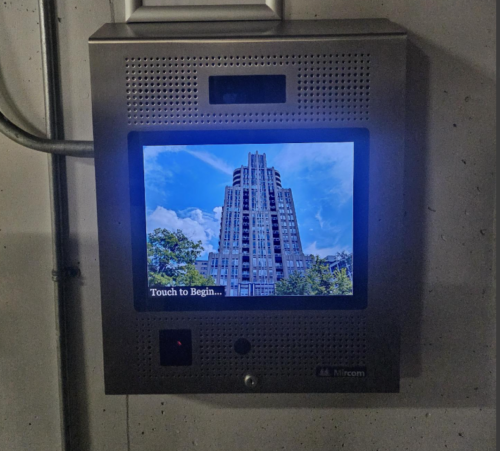
Depending on the site, that may mean keypad access, card readers, intercoms, logs, or a more advanced system. The purpose is simple: reduce unauthorized access and create accountability. It also helps protect against after-hours entry, which is one of the most common risk periods for open sites.
For commercial properties, access control also makes operations more efficient. It can reduce manual checks, improve record keeping, and help managers oversee multiple access points with less effort.
Yard security cameras and remote monitoring
Site security cameras are one of the most useful tools for equipment yard security. They help deter intruders, document activity, and provide evidence if an incident occurs. When cameras are placed properly, they can cover entry points, storage zones, loading areas, and fence lines.
Remote monitoring adds another layer of protection. Instead of simply reviewing footage after the fact, remote monitoring can help detect suspicious activity in real time. That makes it possible to respond faster and reduce losses. For many sites, this is especially valuable after hours, when the site is empty and most vulnerable.
Camera systems also support investigations and insurance claims. Clear footage can help identify what happened, when it happened, and how access was gained. That information can be valuable for both security and operations.
Lighting and detection
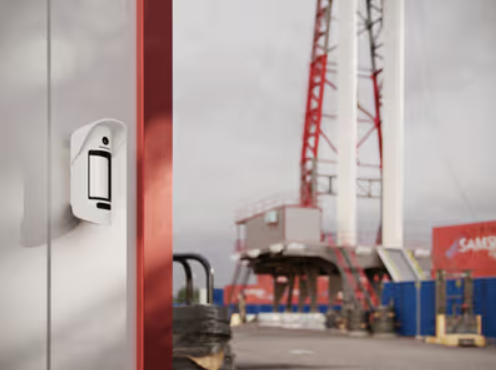
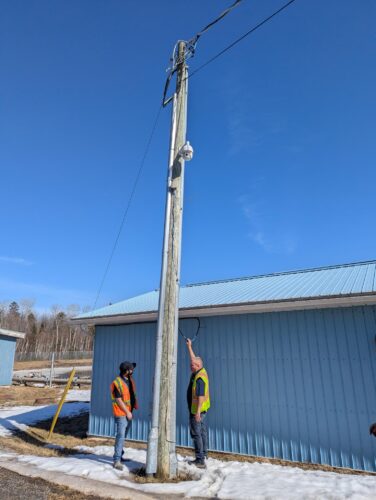
Security lighting is often overlooked, but it plays a major role in protecting open sites. Well-placed lighting reduces hiding places, improves visibility for staff, and helps cameras capture better footage. Motion-activated lighting can also discourage intruders by drawing attention to movement.
Detection technology adds another level of awareness. Motion detection and intrusion detection can alert your team when someone enters an area unexpectedly. Used together, lighting and detection support both security and safety.
In many cases, better lighting alone can change how a site is perceived. A well-lit property feels monitored, active, and harder to approach unnoticed. That alone can help reduce risk.
Alarm response and monitoring
An alarm is only as effective as the response behind it. If an intrusion alarm goes off and nobody responds, the site still remains at risk. That is why monitored alarms are so important for open sites and equipment yards.
When alarm events are tied to a clear response plan, the business can act quickly. That may include verification through cameras, dispatching security personnel, or notifying site management. A fast response can reduce theft, stop vandalism, and limit damage.
Alarm monitoring is especially valuable for after-hours protection and remote properties. It adds confidence that someone is watching for threats even when the site is empty.
Patrols and visible deterrence
For larger or more exposed properties, mobile patrols can be a smart addition. A visible guard presence can discourage trespassing and help identify issues before they turn into incidents. Patrols are especially useful for after-hours checks, irregular inspection patterns, and sites with multiple access points.
This is not about replacing technology. It is about combining visible deterrence with detection and monitoring so the site is covered from more than one angle.
A patrol program can also be adapted to the site’s operating schedule. Some properties need nightly checks, while others benefit from random visits or a mix of both. The right approach depends on the risk level and the site’s layout.
Security procedures that support the system
Technology works best when it is supported by clear procedures. A site security plan should include end-of-day lockup routines, equipment tracking, contractor check-in procedures, and reporting rules for suspicious activity.
Simple operational habits can make a major difference. For example, making sure valuable equipment is stored in the most secure area of the yard, keeping access lists current, and documenting incidents consistently all support stronger protection. These steps also help during insurance reviews and internal audits.
Security procedures should be easy enough for staff to follow consistently. If the process is too complicated, people will avoid it. The best plans are practical, repeatable, and aligned with how the site actually works.
Why Atlantic Canada needs a local approach
Security planning should reflect the local environment. In Atlantic Canada, long winter nights, coastal weather, rural properties, and isolated industrial areas can all increase exposure. A system that works in one region may not be enough for another if it does not account for site layout and operating conditions.
That is why local planning matters. The right solution should be built around the yard, the business, and the risk profile. It should also be scalable, so it can grow with the site over time.
Atlantic Canada businesses also benefit from working with a security partner that understands regional conditions, service expectations, and the realities of commercial operations in the area. That local experience can make a real difference in how effective the final solution is.
How QSA Life Safety and Security helps
QSA Life Safety and Security works with businesses across Atlantic Canada to design commercial security systems that protect equipment yards, open sites, and other high-risk properties. That can include access control, cameras, lighting, monitoring, alarms, and integrated solutions built around the site’s real needs.
Our approach is practical, not generic. We look at how the site operates, where the vulnerabilities are, and what type of protection will create the best return. The result is a system that helps reduce risk while supporting everyday operations.
Whether the site is a construction yard, industrial yard, utility yard, municipal yard, or fleet storage property, the goal is the same: protect assets, improve safety, and reduce the chance of loss.
Protect your site before loss happens
Equipment yards and open sites need more than a basic fence and a few cameras. They need a layered security plan that deters intruders, detects issues early, and supports a fast response. For businesses in Atlantic Canada, that can mean the difference between a secure site and a costly incident.
QSA Life Safety and Security can help you build a commercial security solution that fits your site and your goals. Contact us to discuss a security assessment for your equipment yard or open site.