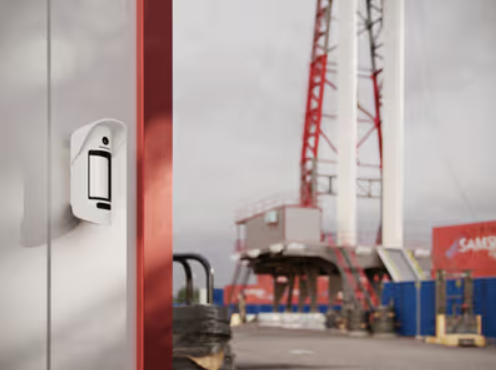
Not every equipment site requires the same configuration, but the underlying patterns are often similar. Here’s how to effectively optimize your setup and improve operational efficiency.
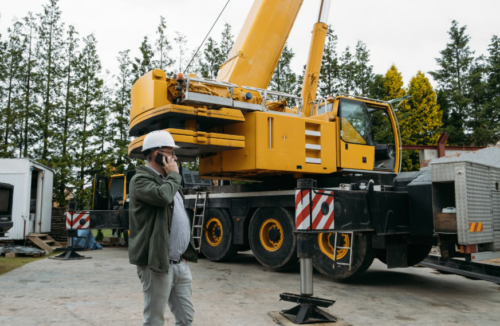
Setting Up Your Equipment Site
When assessing an equipment yard, we never start from scratch. Most sites already have existing systems in place. Our goal is to:
- Tighten areas that need improvement
- Connect existing infrastructure
- Fill critical gaps in coverage
Key Areas of Focus
We concentrate on a few specific aspects during our evaluation:
- Activity Perimeter: Identifying where activity starts.
- Visibility Drops: Pinpointing where visibility decreases.
- Alert Delivery: Ensuring alerts reach the correct personnel promptly.
This process is straightforward – we identify where alignment issues occur in your current systems.
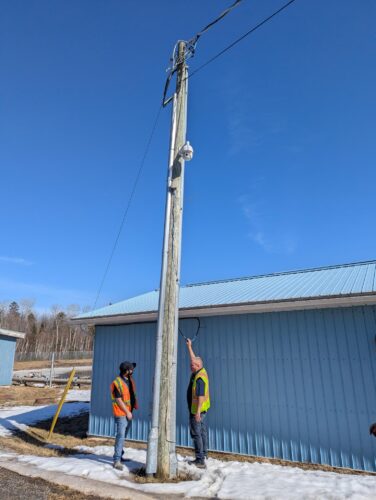
A Proven Approach
A typical setup usually accomplishes several key objectives effectively:
- Enhanced Perimeter Awareness: Early detection of movement at the perimeter ensures events are noticed, not just recorded.
- Immediate Visual Access: When an alert triggers, visual confirmation of the situation is available instantly, eliminating guesswork.
- Timely Alert Notifications: Alerts are sent directly to the appropriate person promptly, avoiding clutter in notification systems.
- Remote Monitoring Capability: After-hours monitoring allows you to assess site activity without being present.
Ideal Environments for This Setup
This approach is particularly effective in environments such as:
- Equipment Yards
- Construction Sites
- Temporary or Evolving Locations
- Sites Lacking Consistent Infrastructure
These settings do not benefit from added complexity; they require adaptable systems. The key differentiator is the visibility of events and the speed of response to those events.
Real-Time Response Features
In practice, these systems enable:
- Trigger Confirmation: Rapid verification of alerts to determine actual events, removing uncertainty.
- Event Context Understanding: Short video clips provide context, not just a simple notification.
- Chronological Awareness: Ability to review what preceded and followed the alert, rather than focusing on a single moment.
- Immediate Response Capability: In certain setups, the system can react instantly to alerts, either by drawing attention to the situation or deterring unwanted activity.
- Interactive Engagement: Advanced systems may respond dynamically, providing real-time adjustments based on observed activities, rather than relying solely on pre-recorded messages.
Enhancing Site Awareness
In a recent project, we focused on enhancing key areas instead of overhauling everything. Key improvements included:
- Expanding awareness at the perimeter
- Facilitating quick visual verification of alerts
- Simplifying after-hours checks
These adjustments provided a significant boost in awareness without unnecessary complexity.
Emphasizing Flexibility
In many environments, flexibility is crucial. Effective systems should be:
- Quickly Deployable
- Easily Relocatable as site conditions change
- Operational without Dependence on Fixed Infrastructure
That’s often what makes the difference on larger or outdoor sites.
If you’re seeking a clearer understanding of activities on your site – especially during off-hours – let’s walk through the process together.
Supporting Insights and Further Reading
→ Read the field briefing: How perimeter awareness breaks down on equipment sites