Response shouldn’t depend on the shift, the system, or the moment.
In most care facilities, it’s not one system. It’s what happens between them.
Where things tend to break down
In most facilities, nothing is fundamentally “broken.”
Systems are in place. Staff are doing the work. But response doesn’t always feel consistent.
Alerts come in – but not always to the right person, right away. Ownership isn’t always clear. What happens next can depend on who’s on shift, how busy things are, or what someone remembers to check.
Over time, small gaps form between systems. And people adapt to fill them.
The pattern
Across different homes, the same patterns tend to show up.
Nurse call & response
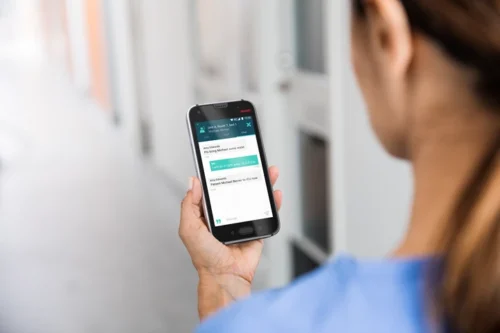
Calls are acknowledged – but not always clearly owned through to completion. Staff respond, but visibility into who is responsible – and what’s been handled – isn’t always consistent.
Across shifts and units, response starts to vary.
Alert management and coordination

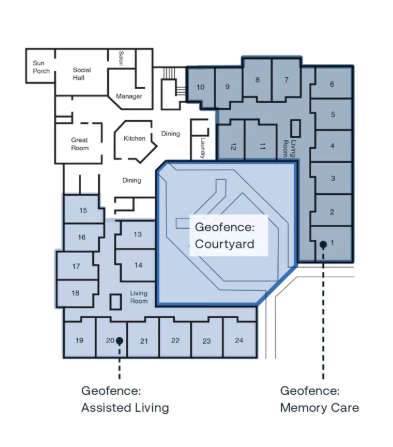
This is where gaps tend to show up.
Nurse call, equipment alarms, door alerts – they’re all doing their job. They’re just not doing it together. So staff end up piecing things together in real time, relying on experience, memory, and workarounds.
Patient monitoring and awareness
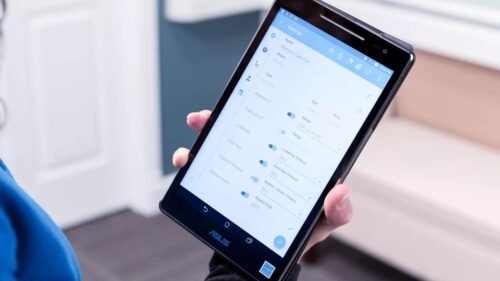
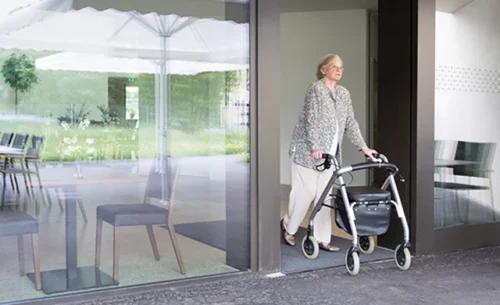
Most facilities already have data. What’s harder is using it in the moment.
We often see awareness happen after a resident has already moved into a higher-risk situation – whether that’s movement within the home or approaching an exit.
The information exists. It’s just not always surfaced early enough to act on.
What this leads to
The work is getting done. But:
- response isn’t always consistent
- ownership isn’t always visible
- staff spend time tracking things down
- awareness often comes after the fact
It doesn’t feel like failure. It just feels harder than it should.
Why this shows up
These environments don’t usually struggle because of one system. It’s the accumulation.
- Systems added at different times
- Tools designed for specific functions
- Workflows that evolved as needs changed
Each layer makes sense on its own. But together, they don’t always operate as one.
So staff adapt. They learn what matters. They create informal processes. They fill in the gaps.
And over time, response becomes dependent on people – not the system.
What starts to improve it

It’s usually not a full replacement. It’s coordination.
Making sure the right information reaches the right person – clearly, and at the right time. Not adding more systems. But reducing the gaps between the ones already there.
What changes over time
When those gaps start to close:
- response becomes more predictable
- ownership becomes clearer
- less time is spent tracking things down
- awareness happens earlier
- the environment feels calmer
It’s not dramatic. But it’s noticeable – especially across a full shift.
If this sounds familiar
We can walk through your current setup with you.
- Where response is slowing down
- Where systems aren’t aligned
- What a more coordinated approach could look like
No pressure – just a practical look at how things are working today.
Sometimes it’s small changes that make the biggest difference.
Looking for how this is typically deployed?
Inside Sales Manager
President